Many folks think that shedding pounds is all about cutting calories and sticking to a strict diet. While what you eat does play a big role, it’s not the whole picture. Weight loss is much broader than just a list of foods you can or can't have. It’s about creating a healthy lifestyle that you can stick with.
Exercise is a huge part of the equation. Incorporating regular physical activity helps to torch calories, build muscle, and boost your mood. Whether you enjoy running, dancing, or just taking long walks, find activities that make you feel good. When you actually enjoy what you’re doing, it’s much easier to stay consistent.
Don’t forget about the importance of sleep and stress management. Lack of sleep can mess with your metabolism and increase cravings for unhealthy foods. Stress can lead to emotional eating, which definitely isn’t helpful. Aim for 7-9 hours of good sleep and find ways to wind down, whether through yoga, meditation, or simple breathing exercises.
Your mindset matters too. Setting realistic goals and being kind to yourself makes a big difference. You’re not going to be perfect, and that’s totally fine. Focus on small changes that lead to lasting habits. Celebrate those little victories along the way—they add up and keep you motivated!
Cardio Isn’t the Only Way to Lose
When it comes to losing weight, most people think cardio is the only game in town. Sure, jogging, cycling, and jumping rope definitely help with burning calories, but that’s not the whole story. There are plenty of other effective ways to shed those extra pounds without spending hours on the treadmill.
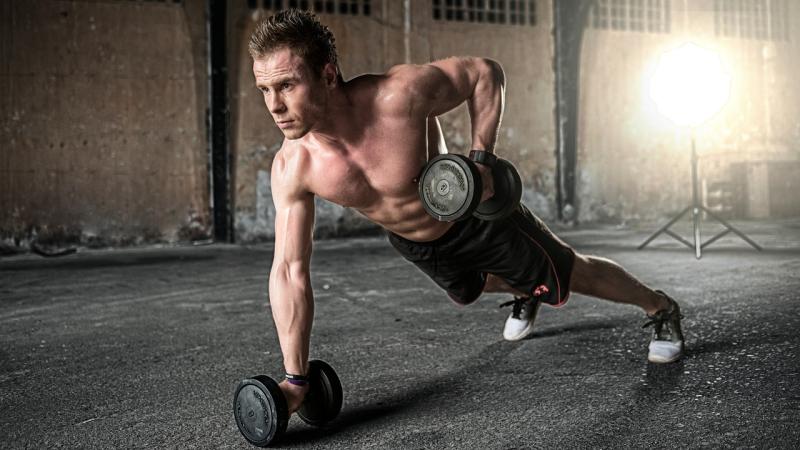
Take strength training, for instance. Lifting weights or using bodyweight exercises can boost your metabolism and help you build lean muscle. Muscle burns more calories at rest compared to fat, which means you’ll keep burning those calories even when you’re not working out. And let’s be real—who doesn't want a little extra boost in their daily calorie burn?
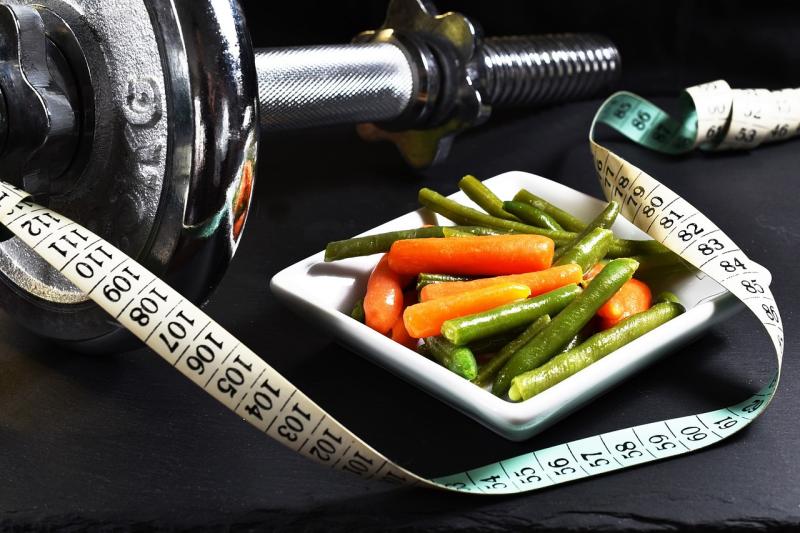
Don’t forget about the power of nutrition! Eating well plays a huge role in weight loss. Focusing on whole foods like fruits, veggies, lean proteins, and healthy fats can make a big difference. Think about cutting back on processed foods and added sugars. You’d be amazed at how much of an impact eating the right foods can have on your weight loss journey.
And let’s not overlook high-intensity interval training (HIIT). This isn’t just regular cardio; it involves short bursts of intense exercise followed by rest periods. HIIT can rev up your heart rate and torch calories in a shorter amount of time compared to steady-state cardio. Plus, it’s efficient for those busy days when you really don’t have the time to hit the gym for an hour.
Eating Fat Doesn’t Make You Fat
Let's clear something up: eating fat doesn’t automatically make you fat. Seriously! For a long time, people thought that any food with fat was the enemy, but that's just not true. Your body actually needs healthy fats to function properly. Think about it—your brain is mostly fat!
Healthy fats, like those found in avocados, nuts, and olive oil, can actually help you feel satisfied after a meal. When you include these fats in your diet, you're less likely to overeat later on. It’s all about balance. Cutting out fats completely can backfire and lead to cravings that drive you to binge on unhealthy snacks.
Plus, healthy fats play a big role in burning fat. They can help your body absorb vital nutrients and maintain energy levels. So, swapping out those scary processed fats for wholesome options is definitely a step in the right direction. You’re not just fueling your body; you’re also supporting your weight loss journey.
Remember to pay attention to portion sizes, though. Even the healthy stuff can add up if you go overboard. But don’t shy away from adding some good fats to your meals. It's not just okay; it’s smart!
Skipping Meals Slows Down Your Metabolism
Many people think that skipping meals is a quick fix for losing weight. We get it; life gets busy and eating might seem like a hassle. But here’s the deal: when you skip meals, your metabolism can take a hit. It slows down to conserve energy, making it harder to burn those calories when you do eat.
Your body needs a consistent fuel supply to keep everything running smoothly. Think of it like a car needing gas. If you don’t give it enough, it won’t perform well. When you skip a meal, your body goes into “starvation mode.” This means it starts holding onto fat instead of burning it off, which is the opposite of what you want!
Eating smaller, regular meals keeps your metabolism humming. Try aiming for five or six smaller meals throughout the day instead of three large ones. It keeps your energy levels up and helps manage cravings. Plus, you’ll feel less deprived and more satisfied!
So, next time you think about skipping a meal to shed a few pounds, remember it might backfire. Nourishing your body with regular meals is the better way to support your weight loss goals. Let’s keep that metabolism working!